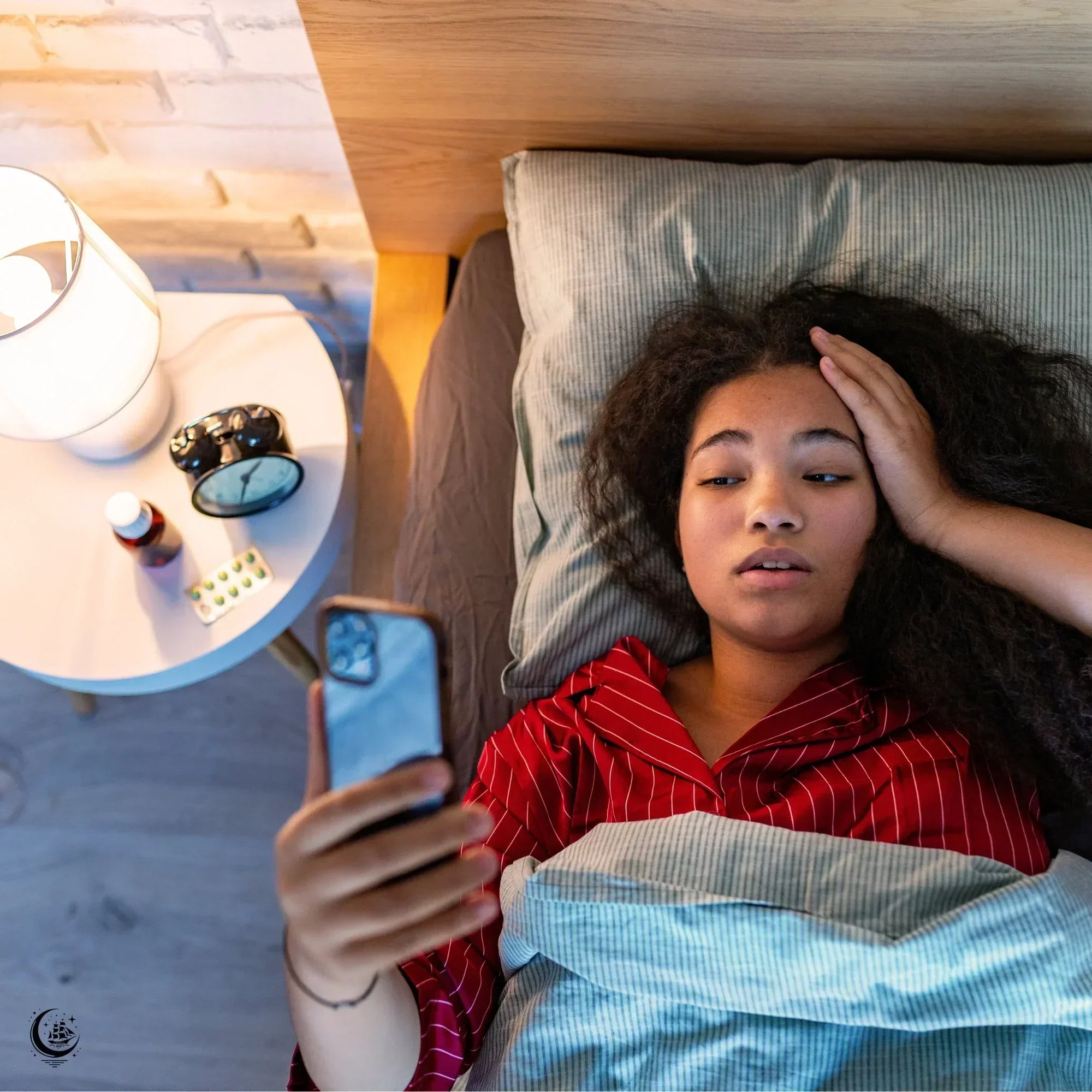


Estimated reading time: 10 minutes
Key Takeaways
- Light significantly influences our sleep-wake rhythm and sleep quality.
- Blue light from screens can lower melatonin levels and make it harder to fall asleep.
- You can sleep better by using targeted light management and adjusting your evening routine.
Table of contents
Understanding sleep quality: What does healthy and restful sleep mean?
Sleep quality and its importance for healthy sleep
Sleep quality means much more than just the duration of sleep. What's most important is how deeply and restfully you sleep.
- Sleep quality results from:
- How quickly do you fall asleep?
- How rarely do you wake up during the night?
- Do you feel rested in the morning?
- How often does light or deep sleep occur?
Factors that affect sleep quality:
- Internal factors:
- Stress and worries
- Nutrition and hydration. If you're interested in this topic, we have another blog post for you here: Better sleep through nutrition
- General mental health
- External factors:
- Light sources (natural and artificial)
- Noise in and around the bedroom
- Temperature (optimal: 16-18°C)
- Quality of the mattress and pillow

Why healthy sleep is important
Good, healthy sleep is essential for body and mind.
- Improves learning ability and attention ( cognitive functions )
- Strengthens the immune system
- Provides emotional stability and a better mood
- Reduces the risk of diseases such as high blood pressure, diabetes, and obesity
So you see: Sleeping better not only means more performance during the day, but also long-term health and well-being.
The role of light in sleep: How light controls the sleep-wake cycle
Light Sleep: Why light affects how we fall asleep
The key term here is circadian rhythm . This is your body's internal clock, which regulates numerous bodily functions around the clock. The circadian rhythm controls your sleep and tells your body when to wake up and when to get tired.
- The control is achieved primarily through natural daylight.
- During the day, sunlight keeps the body's internal clock in balance and signals to the body: " Now you are awake! "
- In darkness, your body produces the hormone melatonin . Melatonin makes you tired and helps you fall asleep.

Natural light vs. artificial light – a crucial difference
Natural light (sunlight):
- Optimally synchronizes the internal clock
- It provides energy and lifts the mood because it increases serotonin levels.
- Promotes melatonin production in the evening through clear light-dark contrast.
Artificial light:
- It comes from light bulbs, LEDs, tablets, smartphones, or computer screens. If you'd like to learn more about this topic, we recommend the following article:
How screen time makes it harder to fall asleep and what you can do about it.
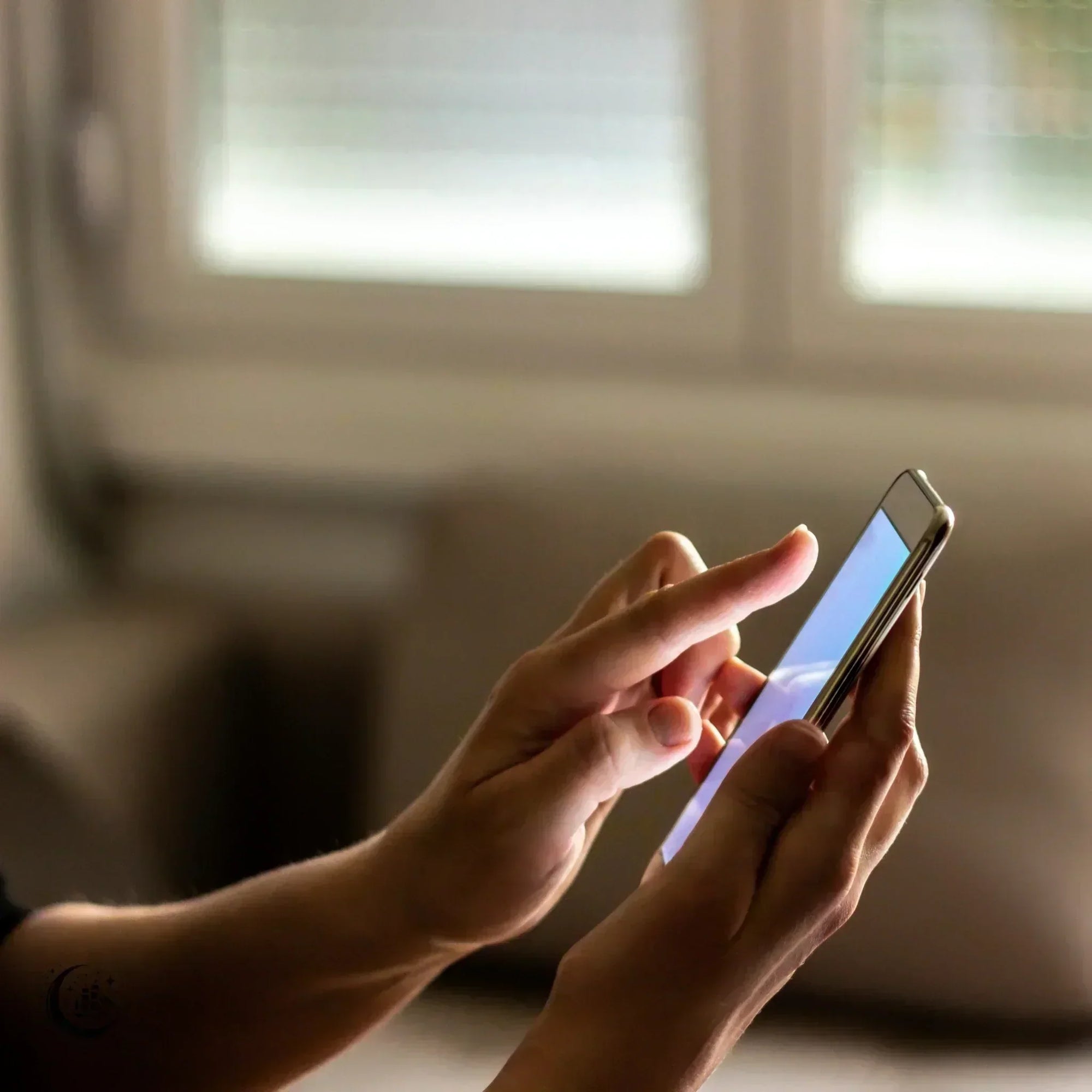
- Light sources with a lot of blue light (cool, white) are particularly disruptive to the body's internal clock.
- Especially in the evenings, artificial light can significantly reduce the ability to fall asleep.
Scientific studies show that artificial light in the evening can disrupt your sleep rhythm – you get tired later and sleep worse.
Blue light and sleep: What are the consequences of too much screen time?
What is blue light and where do we encounter it?
Blue light is part of the visible light spectrum and contains a particularly high amount of energy. Its wavelength is short (approximately 400–500 nanometers).
- Main sources of blue light in everyday life:
- Smartphones, tablets and laptops
- LED screens and televisions
- LED lamps (especially cool white)
Almost all modern light sources in homes or offices emit a large part of their light as blue light.

How blue light affects sleep
- Evening blue light inhibits melatonin production
- Melatonin tells the "internal clock" that it's time to sleep.
- When melatonin is suppressed, you don't feel tired, even when you should actually be sleeping.
- Consequences of this:
- You fall asleep later ( difficulty falling asleep )
- Your sleep is less deep and less restful.
- The entire sleep rhythm can be disrupted.
Typical effects of blue light before bedtime
- More frequent periods of wakefulness during the night
- Difficulty getting up in the morning
- Difficulty concentrating and fatigue the next day
- Deteriorated sleep quality, especially in children and adolescents
[Source: University of Salzburg]
[Source: Ärzte Zeitung]
Positive light sources and colors: How to properly design your sleeping environment
Warm light for a healthy sleep
For a truly healthy sleep in the evening, light color and light intensity are crucial.
- Optimal:
- Warm white light (color temperature approx. 2700 Kelvin)
- Dimmed lamps instead of bright ceiling lights
- Why?
- Less blue light leads to better melatonin production.
- Warm light has a calming effect and promotes a feeling of security.
Nightlights and indirect lighting
- Gentle night light:
- Dimmed, reddish-warm nightlights help with orientation (e.g., going to the toilet), but do not affect melatonin levels.
- Indirect light (e.g., floor lamps, LED strips behind furniture) creates a completely relaxed atmosphere.
Colors that promote sleep
Colors influence our well-being and affect sleep quality. The following are recommended:
- Dark blue – calming and stress-reducing
- Soft red/orange – do not stimulate wakefulness hormones
- Beige and pastel shades – create a feeling of security
Practical tip: Before going to bed, replace bright ceiling lights with a small, warm bedside lamp.
Strategies: How you can improve your sleep quality through light management
Reduce screen time intentionally
- At least 1 hour before you go to bed:
- Avoid mobile phones, laptops, televisions and other screens
- Tip: Set a timer to remind you to " digital detox ".
- Less screen time in the evening has been proven to help you sleep better and improve your sleep.
Blue light filter glasses and apps
- Blue light filter glasses:
- Special glasses block the harmful blue light component.
- Protect not only your eyes, but also your healthy sleep.
- Apps and software:
- Programs like f.lux, Night Shift (Apple) or night mode on Android devices
- The blue light component of the screen is automatically reduced towards evening.
Use room lighting intelligently
- Dimmers and smart lamps
- The light automatically dims to a pleasant, warm light color in the evening.
- Supporting the natural sleep rhythm – improving sleep quality at bedtime
- Smart lighting systems
- Remind you that bedtime is approaching through automatic light control.
- They create a regular routine and promote healthy sleep.
Scientific studies prove that actively reducing blue light exposure in the evening can visibly improve the quality of sleep.
[Source: University of Salzburg]
Tips for a restful and healthy sleep – Sleep better with these simple rules
Develop an evening routine
- Try to go to bed at the same time every day – this trains your " internal clock ".
- Introduce relaxing rituals:
- Light stretching or yoga
- Meditation or gentle breathing exercises
- A quiet book (no exciting thrillers!)
- Avoid excitement and strenuous activities

Optimize the sleep environment
For healthy and truly restful sleep, you need:
- Complete darkness in the bedroom – use blackout curtains
- Quiet – switch off electrical appliances, remove noisy clocks
- Fresh, cool air at a temperature of 16–18°C
- Good mattress and comfortable pillow
Dealing with sleep onset difficulties
- Avoid caffeine, heavy meals, and alcohol in the evening.
- Use relaxation exercises or listen to calming music.
- If you can't fall asleep: Get up, do something quiet in dim light, and try again later.
- For persistent trouble falling asleep: Talk to a doctor or sleep medicine specialist.
Promote your natural sleep-wake rhythm
- Get plenty of daylight during the day
- Get regular exercise in the fresh air [exercise and sleep]
- Take short power naps (maximum 30 minutes) if necessary, but not too late in the day.
This will make it easy for you to fall asleep more easily and prevent sleep disorders .
Conclusion: Targeted control of light and sleep to improve sleep
- Light is perhaps the most important environmental factor for healthy sleep and good sleep quality.
- Too much or the wrong kind of light – especially blue light in the evening – disrupts melatonin production and makes it harder to fall asleep.
- Warm white, dimmed light sources promote sleep readiness.
- Consistently reduce blue light exposure , use glasses and apps, and develop a relaxing evening routine.
- Those who implement these simple strategies can noticeably improve their sleep and look forward to a sustainably more restful sleep.
Act now: Consciously adjust your lighting habits – for greater well-being, performance and genuine quality of life through healthy sleep!
Additional resources on the topic of light and sleep
-
Spektrum.de: Detailed article on the right light and sleep quality
[Using the right light for a better night's sleep]
-
University of Salzburg: Research on blue light from mobile phones/laptops – influence on sleep
[Light from mobile phones and laptops disrupts sleep]
-
Doctors' Newspaper: Effects of LED light on sleep and sleep quality
[LED light disrupts sleep]
Recommendations for blue light filter glasses and light management products
- Blue light filter glasses: If you're interested in blue light filter glasses to improve your sleep, you can conveniently purchase them from your trusted optician or directly from our online shop . Use code NIGHT15 to save an additional 15% on your purchase!
- Software and apps for reducing blue light on devices:
- f.lux: Free for Windows/Mac
- Night Shift: Integrated directly into iPhone and Mac
- Twilight: Popular Android app
- Smart lighting systems:
- Philips Hue, Ikea Tradfri, LEDVANCE – can be easily adapted to individual sleeping habits.

Important information on the influence of light on sleep and health
Everyone reacts differently to light stimuli. The effects of blue light, artificial light, or light projects can vary from person to person. If you continue to suffer from difficulty falling asleep or staying asleep despite changing your lighting habits:
- Get professional help from a doctor or sleep lab.
- There may be physical (e.g., hormonal imbalances) or psychological (e.g., depression, anxiety) causes.
Don't forget: Healthy sleep begins with mindfulness – for light, rhythm, and your daily routines!
References
FAQ
How does light affect sleep quality?
Light controls the circadian rhythm, which regulates our sleep-wake cycle. Artificial light, especially blue light in the evening, can inhibit melatonin production and make it harder to fall asleep.
What is blue light and why is it harmful?
Blue light is a high-energy light in the 400–500 nanometer spectrum. It is emitted by screens and LED lamps and can suppress natural fatigue in the evening, thus impairing sleep quality.
How can I improve my sleep quality through light management?
Reduce screen time in the evening, use warm white and dimmed light, wear blue light filter glasses if necessary, and establish a relaxing evening routine to sleep better.