
Key Takeaways
- Blue light inhibits melatonin production: Blue light from screens hinders the natural production of the sleep hormone melatonin and disrupts the sleep-wake cycle.
- Reduce screen time: Less use of electronic devices in the evening and the use of blue light filters improves sleep quality.
- Establish a sleep-friendly evening routine: Rituals such as reading or meditation help you relax and make it easier to fall asleep.
Table of contents
Introduction
Does this sound familiar? You're lying in bed at night and can't fall asleep. You were scrolling on your phone, watching videos, or working on your laptop beforehand? That could be the problem. The so-called blue light emitted by electronic devices like smartphones and televisions negatively affects your sleep.
A good night's sleep is crucial for your physical and mental health. However, many people suffer from difficulty falling asleep, which is often related to screen time.
In this blog you will learn everything about the connection between blue light and sleep and receive helpful tips to help you fall asleep more easily.
1. What is blue light?
Blue light is a part of visible light with a wavelength of approximately 400 to 500 nanometers.
It's all around us:
- Daylight is the natural source of blue light.
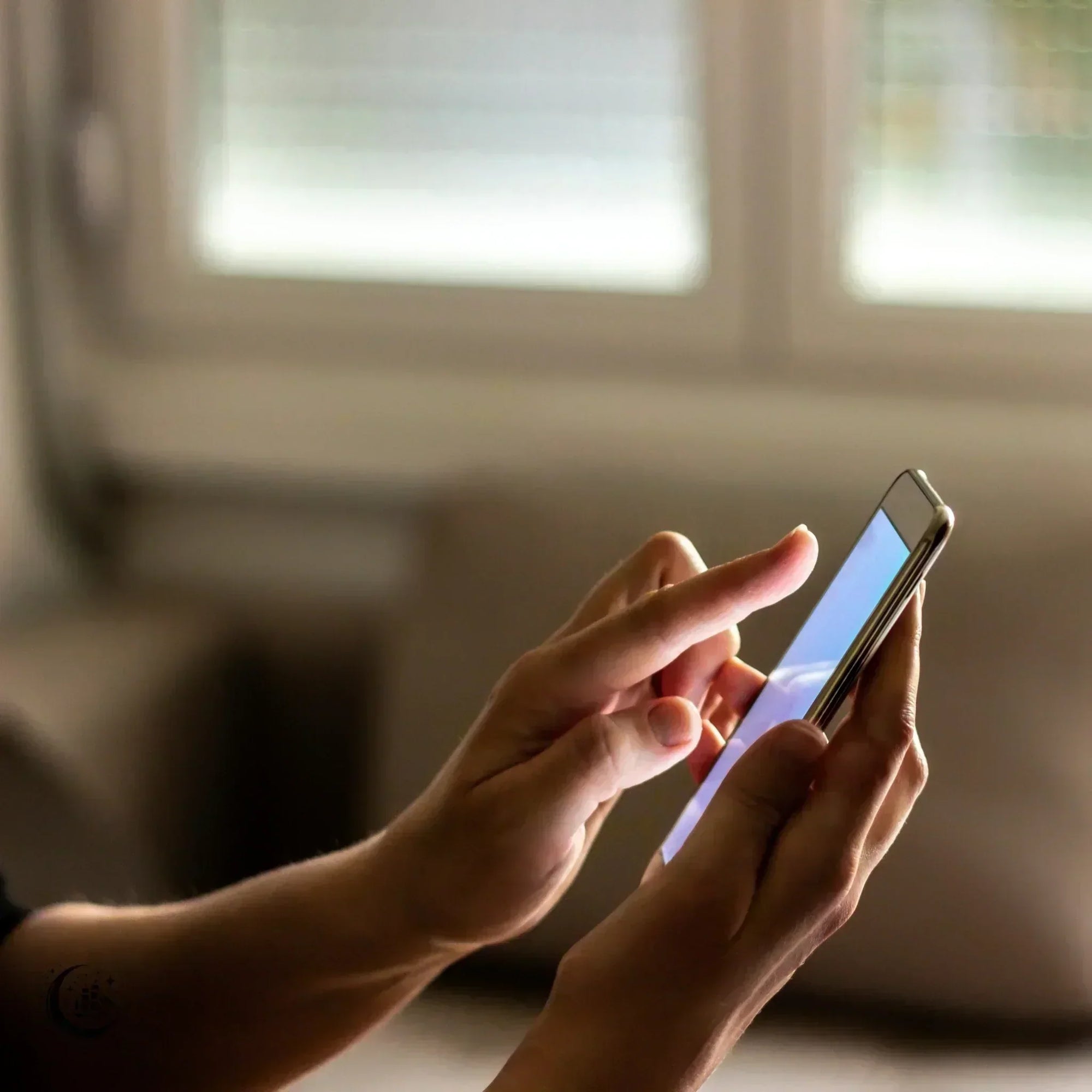
- Electronic devices such as smartphones, tablets, computers and televisions are artificial sources.
- LED lamps also emit a lot of blue light.
Your eyes perceive blue light as cool. But be careful: Artificial blue light, especially in the evening, has a negative impact on your sleep because it disrupts your internal clock.
Source: AOK - Does blue light actually disrupt sleep?
2. Effects of blue light on the human body
Your body normally follows a fixed sleep-wake rhythm. This rhythm is based on day and night times.
Blue light disrupts this rhythm by signaling to your brain that it experiences similar light during the day. As a result:
- The production of melatonin is inhibited.
- You feel awake even though you actually want to sleep.
Melatonin is an important sleep hormone. Less melatonin means:
- longer times it takes to fall asleep.
- poorer sleep quality .
Source: CSS - Blue Light and Falling Asleep
3. Influence of blue light on sleep
Blue light disrupts your natural sleep-wake cycle. This can lead to the following problems:
- Difficulty falling asleep occurs.
- Your sleep quality will worsen.
- Sleep duration may decrease.
In the long term, sleep problems caused by blue light also worsen your overall health and well-being.
Source: OneFocus - Influence of blue light on melatonin production

4. Sleep disturbances caused by electronic devices
Why exactly do electronic devices cause problems falling asleep in the evening?
- They mentally activate your brain (e.g., through exciting videos or social media).
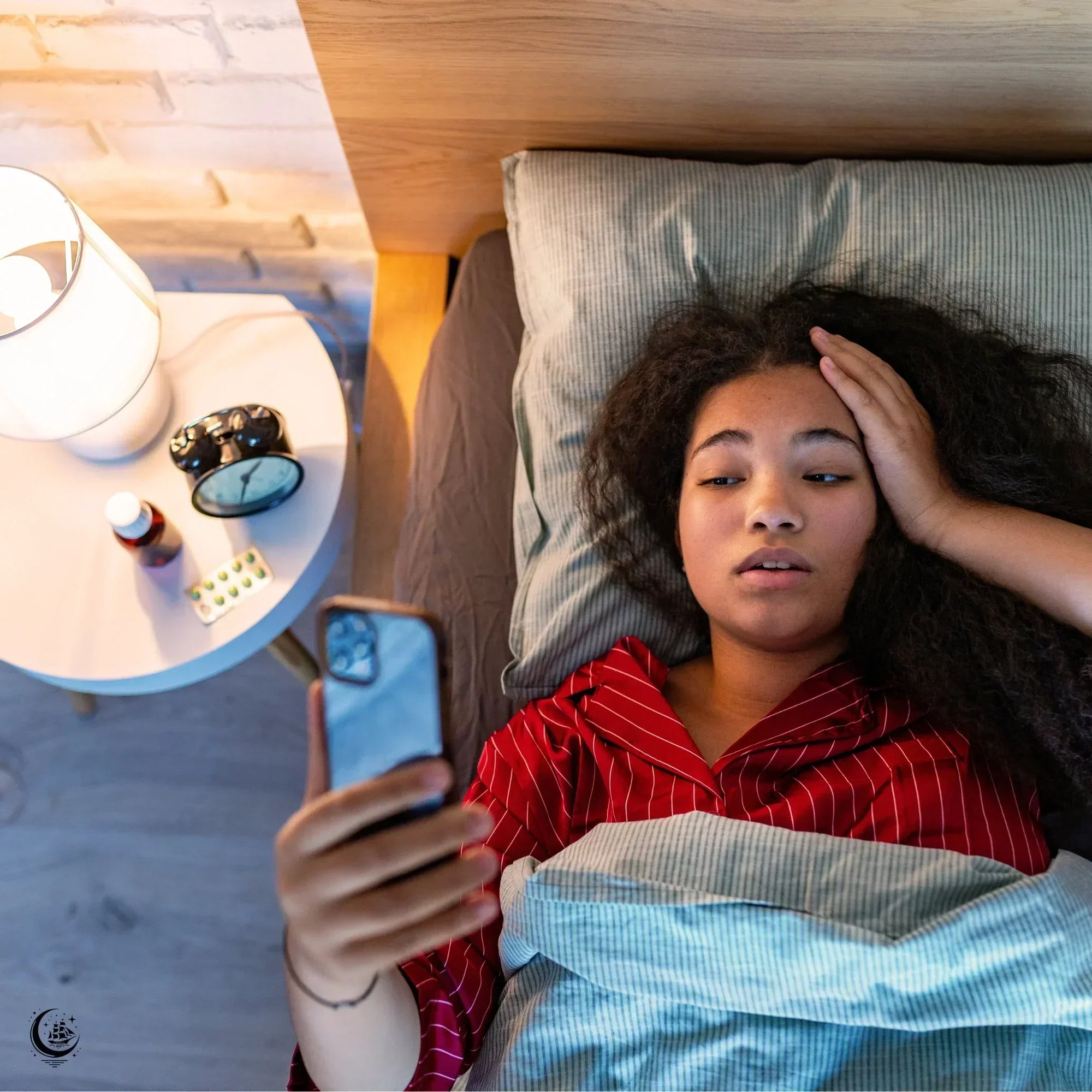
- Even though it's dark outside, you're still exposed to blue light. This inhibits the production of melatonin.
- Studies clearly show that people who spend time in front of screens before bed take longer to fall asleep and sleep worse.
Sleep quality and restful nights are important to counteract the negative effects of blue light.
Source: ilovemysmile - Effect of blue light on our health and sleep
5 tips for reducing blue light in the evening
To help you fall asleep peacefully, the following tips will help:
Use blue light filter glasses:
- These special glasses filter out the blue light from your devices.
- You can continue using your smartphone or laptop without significantly impacting your sleep.
Optimize screen settings:
- Smartphones, tablets and many laptops have a "night mode".
- Simply activate the blue light filter directly in the device menu.
Plan a screen-free evening routine:
- Reading, meditating, or going for a walk are better alternatives.
- These activities will improve your sleep quality and help you fall asleep faster and better.
Source: OneFocus - Influence of blue light on melatonin production

6. Strategies for improving sleep quality
Other simple strategies will help you get a good night's sleep again:
Maintain regular sleep times:
- Go to bed at roughly the same time every day – your body will get used to it.
- Regular wake-up times also bring your body into a natural rhythm.
Create a sleep-friendly environment:
- Keep the bedroom dark, quiet, and cool.
- Remove electronic devices from your bedroom.
Integrate relaxation rituals:
- Meditate or do breathing exercises before going to sleep.
- These rituals will help you sleep better.
Source: ilovemysmile - Effect of blue light on our health and sleep
7. Promote healthy sleep
Other things that help:
- Avoid consuming caffeine and alcohol late at night.
- Avoid strenuous exercise right before bedtime.
- Use blackout curtains or earplugs to ensure peace and darkness.
A stable sleep-wake rhythm improves your overall sleep quality and helps you to sleep better in the long term.
8. Conclusion
Blue light from smartphones, tablets, and other electronic devices disrupts your sleep. It reduces melatonin production and makes it harder to fall asleep.
But you have the opportunity to actively counteract this. Tips such as blue light filtering glasses, less screen time, and regular sleep times can help you to sleep restfully and healthily again.
Try out the tips mentioned! Small changes will have a big impact on your health and overall well-being.
9. Additional Resources
Here you can learn more about sleep hygiene and blue light reduction:
- Use blue light filter glasses or special apps.
- If your trouble falling asleep persists, please talk to a doctor or sleep specialist about it.
Helpful links:
- OneFocus - Influence of blue light on melatonin production
- ilovemysmile - The effect of blue light on our health and sleep
FAQ
How does blue light affect my sleep?
Blue light inhibits the production of the sleep hormone melatonin, thus disrupting the natural sleep-wake cycle. This can lead to difficulty falling asleep and poorer sleep quality.
How can I improve my sleep quality?
Reduce screen time before bed, use blue light filters, or establish a sleep-friendly evening routine without electronic devices. Regular bedtimes and a quiet sleep environment also contribute to better sleep.
Are blue light filters effective?
Yes, blue light filtering glasses or device settings that reduce blue light can help minimize the effects of blue light on your sleep and have less of an impact on melatonin production.